
10 Anticipated PC Strategy Games for 2026
Ten upcoming strategy games for PC—from large-scale battles and space campaigns to city-building and economic management. We look at what makes their gameplay systems interesting and what to watch for before release.
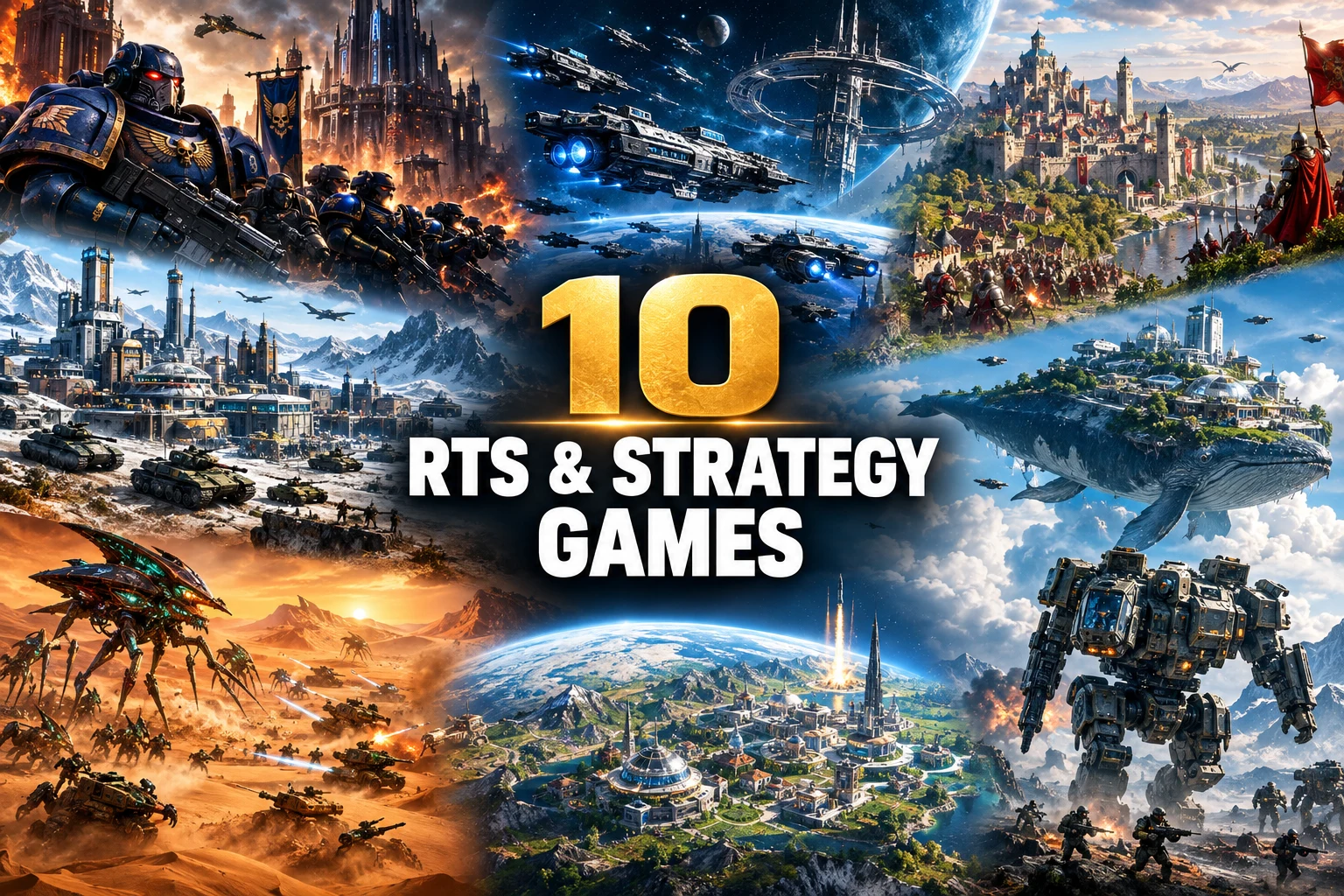
Send a fleet into an ambush, turn a small settlement into an industrial power, or win a battle by destroying the ground beneath an enemy base—strategy games know how to draw players in all kinds of ways. Some players like to control every squad themselves, while others prefer to build an economy and watch a carefully laid plan gradually pay off.
This roundup features ten upcoming games with different approaches to the genre. Real-time strategy games make up the bulk of the list, but there’s also room for an unusual city-building sim. The order isn’t a ranking: there are too many differences between a space expedition and a war fought with heavy tanks to assign them places fairly.
Release dates were checked on October 4, 2026, and may change. The descriptions are based on published developer materials, not hands-on impressions. The screenshots show pre-release versions; the interface is hidden in some of them.
1. Warhammer 40,000: Dawn of War IV — Bases, Huge Armies, and a Fight for Every Point
Developer: KING Art.
Expected release: December 3, 2026.
Modes: single-player, online co-op, and PvP. Steam Store
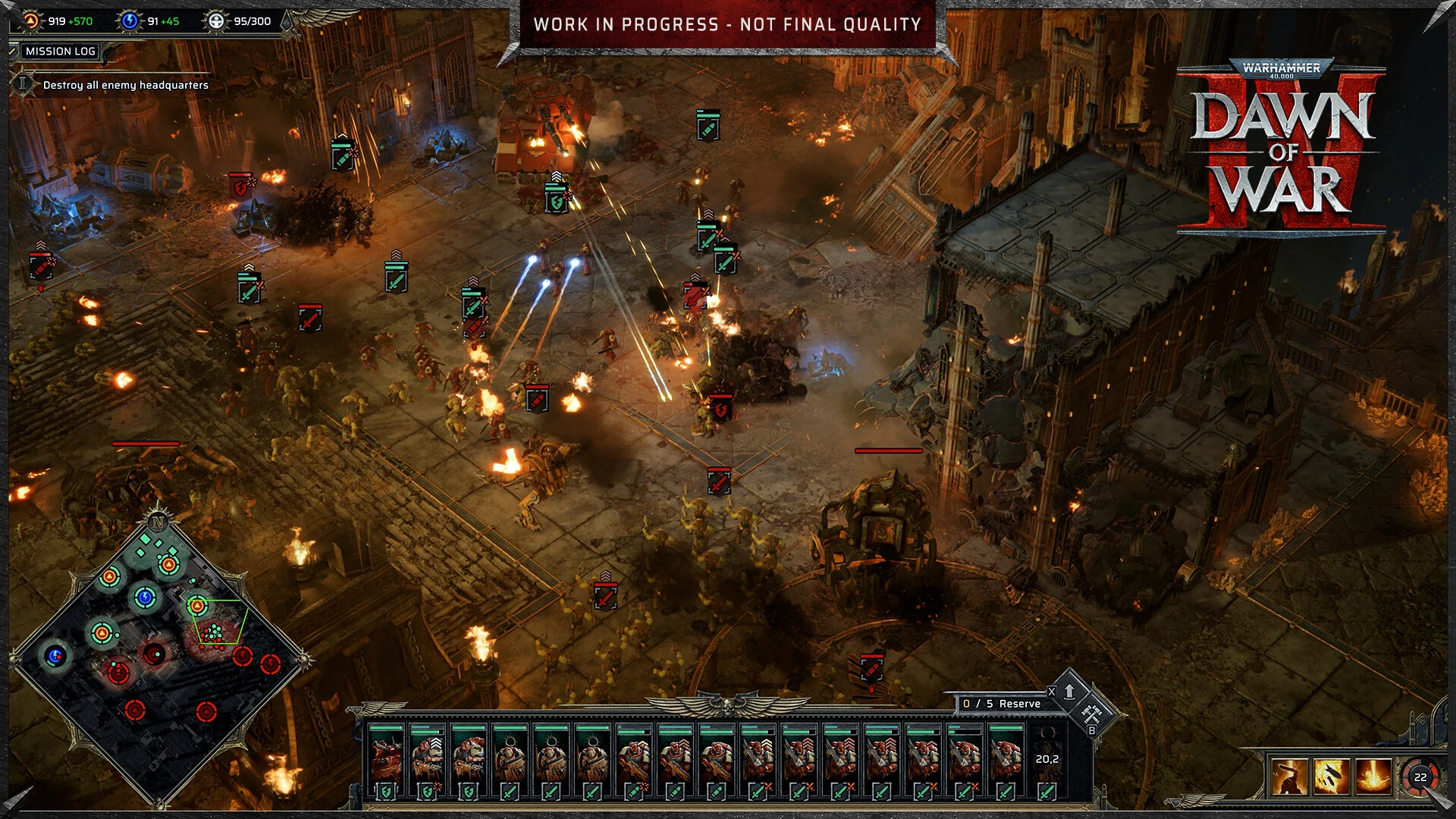
Dawn of War IV returns to a mix of base-building, squad control, and an active fight for territory. It’s not enough to simply get production running and wait for an impressive army to build up: resource points must be captured, held, and upgraded. The developers have also confirmed cover, garrisoning troops in buildings, and a veteran system that makes surviving units stronger. Deep Silver
This makes the choice between attacking and preserving your army interesting in its own right. Should you keep up the pressure with a weakened squad, or pull it back to avoid losing its accumulated experience? Invest in more forces or fortify the positions you already hold? These are the kinds of decisions we want at the heart of the game: not endlessly sending reinforcements to one spot, but making the links between the economy, map control, and individual unit actions clear.
You’ll command Space Marines, Orks, Necrons, and Adeptus Mechanicus. Their differences go beyond appearance. Orks focus on numbers and constant pressure, Necrons on resilience and extending their energy network, while Adeptus Mechanicus develop noosphere infrastructure that unlocks research and upgrades. Space Marines, by contrast, call for careful handling of their expensive elite troops. Deep Silver
More than 70 missions are planned for solo play, and the campaigns support co-op. There are other ways to play together, too: in the demonstrated Maelstrom mode, for example, teams fight over objectives that appear on the battlefield. This structure should keep allies moving and coordinating rather than simply fortifying their own half of the base. Steam Store
Dawn of War IV looks particularly appealing as a strategy game for regular evenings with a co-op partner. The hope is to find a balance between the fun of spectacular warfare and the need to genuinely help each other: cover a retreat, send reinforcements in time, and agree on which position to attack next.
2. Total War: WARHAMMER 40,000 — From a Single Firefight to the Fate of Entire Worlds
Developer: Creative Assembly.
Expected release: date not announced.
Format: turn-based campaign and real-time battles; single-player and online PvP announced. Steam Store
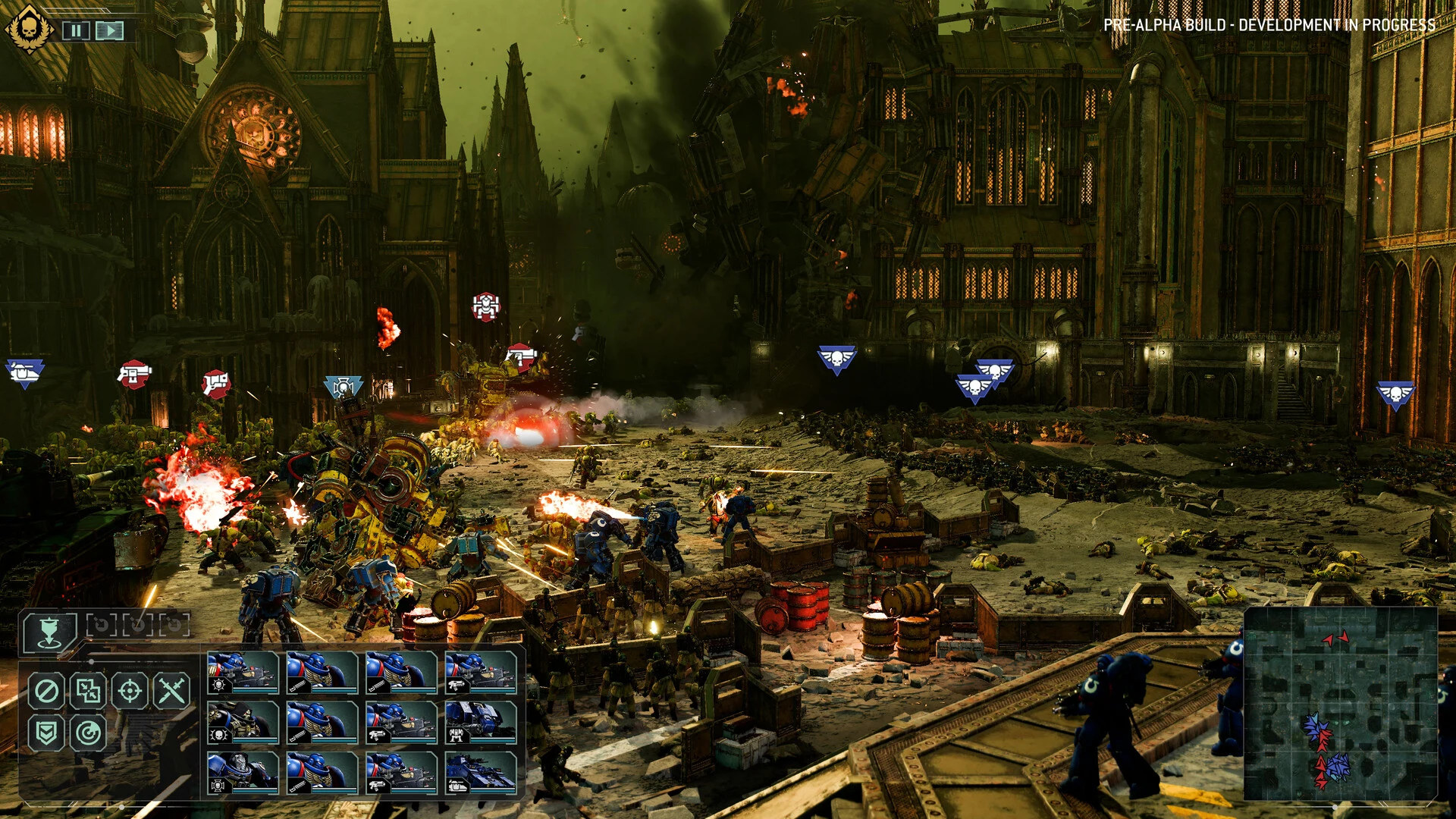
Where Dawn of War IV focuses on base-building and commanding an army within a specific battle, Total War: WARHAMMER 40,000 takes warfare to an interplanetary scale. At the strategic level, you’ll capture worlds, develop a fleet, and manage a military economy, then move on to battles for individual territories and fortifications. Steam Store
The big question is how the battles themselves will change. The developers have announced dynamic destruction, orbital support, air strikes, and reinforcements. Impacts can alter the terrain and create new cover. Four factions are promised at launch: Space Marines, Orks, Aeldari, and Astra Militarum, each with its own units and way of waging war. Steam Store
This creates an appealing prospect: judging not only the size of the enemy force, but also how long a useful defensive position will last. Is it worth taking the ruins if the enemy can turn them into an open field? Does it make sense to keep reserves while the enemy has yet to use its support? These are questions for the future balance, but they’re what make bringing Total War into this universe interesting.
Another focus is creating your own army. The announced options include choosing its name, colors, and insignia, as well as customizing its traits, equipment, and tactical capabilities. So this isn’t just about recoloring soldiers: the developers want players to create their own version of the military force they choose. Steam Store
That said, don’t expect a finished, fully realized game just yet. In its description of the closed test, Creative Assembly explicitly warns that some elements are unfinished and that bugs and balance issues remain. For a roundup of anticipated games, this is a useful thing to keep in mind: what matters is how the systems work together, rather than treating every detail in a showcase as final. Especially if you’re drawn to the prospect of a long campaign where a won battle is just one step in a much larger war. Steam Community
3. Beyond These Stars — A City Traveling with a Living World
Developer: Balancing Monkey Games.
Expected release: October 16, 2026, according to the Steam page.
Mode: single-player. Steam Store
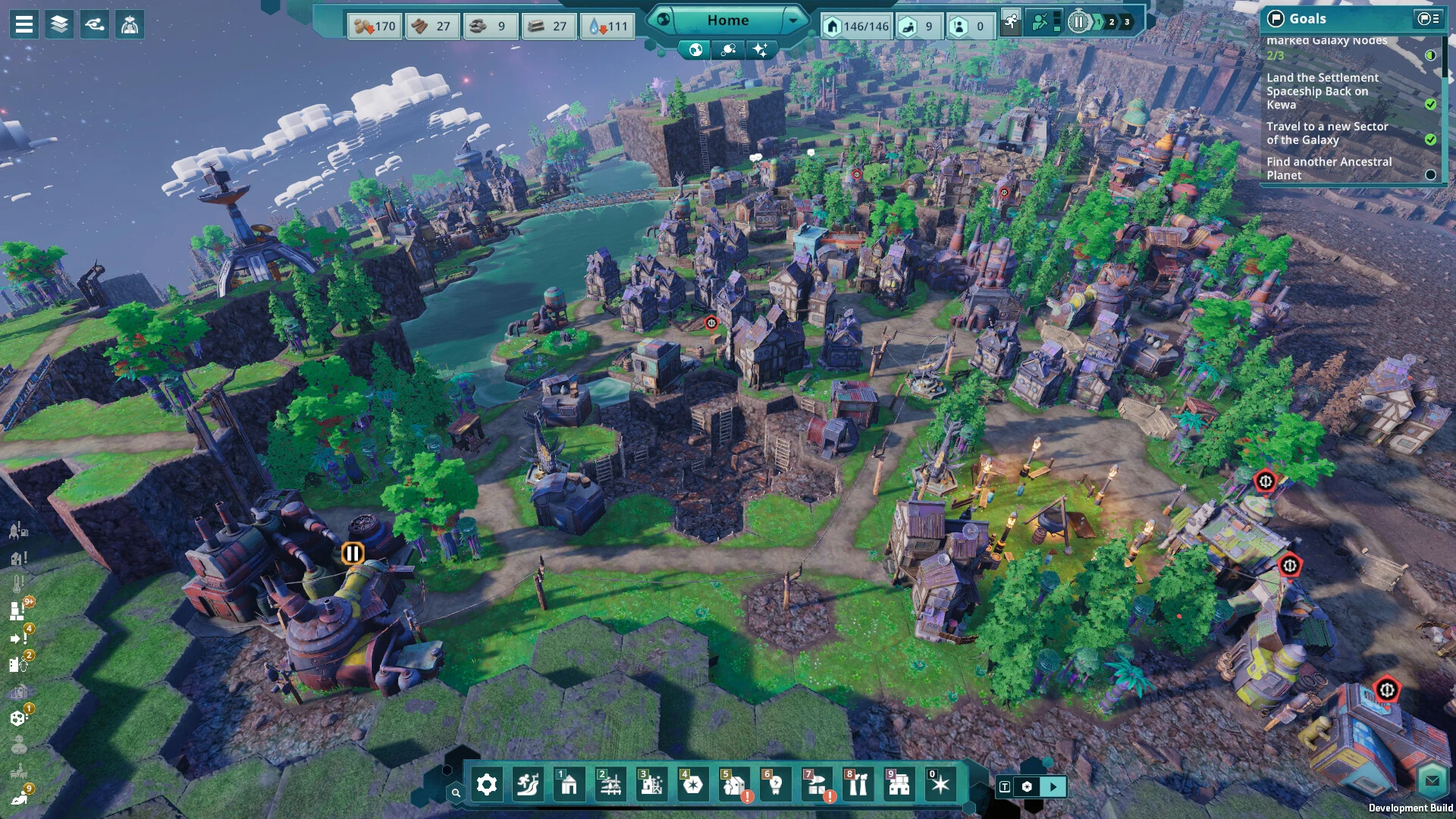
Beyond These Stars begins with an unusual arrangement: an entire civilization settles on the back of a space whale named Kewa. This is more than a fantastical backdrop for a conventional city-building sim. Players will restore the ecosystem, develop settlements, research technologies, and get to know the creature carrying its inhabitants between star systems. balancingmonkeygames.com
The day-to-day tasks, meanwhile, are very down to earth. People need homes and jobs, production needs raw materials, and the settlement needs a convenient layout. Buildings have to fit into limited space, with distances and production-chain efficiency in mind. You can reshape the landscape by digging channels, preparing soil for farming, and growing forests that help expand the habitable environment. Steam Store
The most interesting tension is between growth and protecting the environment. New technologies increase the population’s needs, but overexploiting the land can worsen living conditions. You can establish outposts on other planets to access additional resources. However, how long you can stay in the system depends on your relationship with Kewa: the whale isn’t obliged to wait forever while you finish yet another development project. Steam Store
Essentially, familiar planning gets one more variable: the living world’s own will. On an ordinary map, it’s easy to think in decades: build a facility now, gradually supply it with resources, and expand it someday. Here, you’ll want to think ahead about which tasks really need to be completed during the next stop, and which can wait for a better opportunity.
The journey also involves encounters with alien species, trade, and acquiring new technologies. Progress isn’t limited to rearranging buildings in one place: the city gains an outer life connected to exploring space. balancingmonkeygames.com
Beyond These Stars is worth keeping an eye on if you enjoy building and economic planning. Especially if you’re after something other than another race for maximum productivity—a game where prosperity is also measured by the ability to live in harmony with your home.
4. Sanctuary: Shattered Sun — When the Map Itself Won’t Let You Build a Reliable Defense
Developer: Enhearten Media.
Expected release: August 2027.
Modes: single-player, online co-op, online and LAN battles. Steam Store
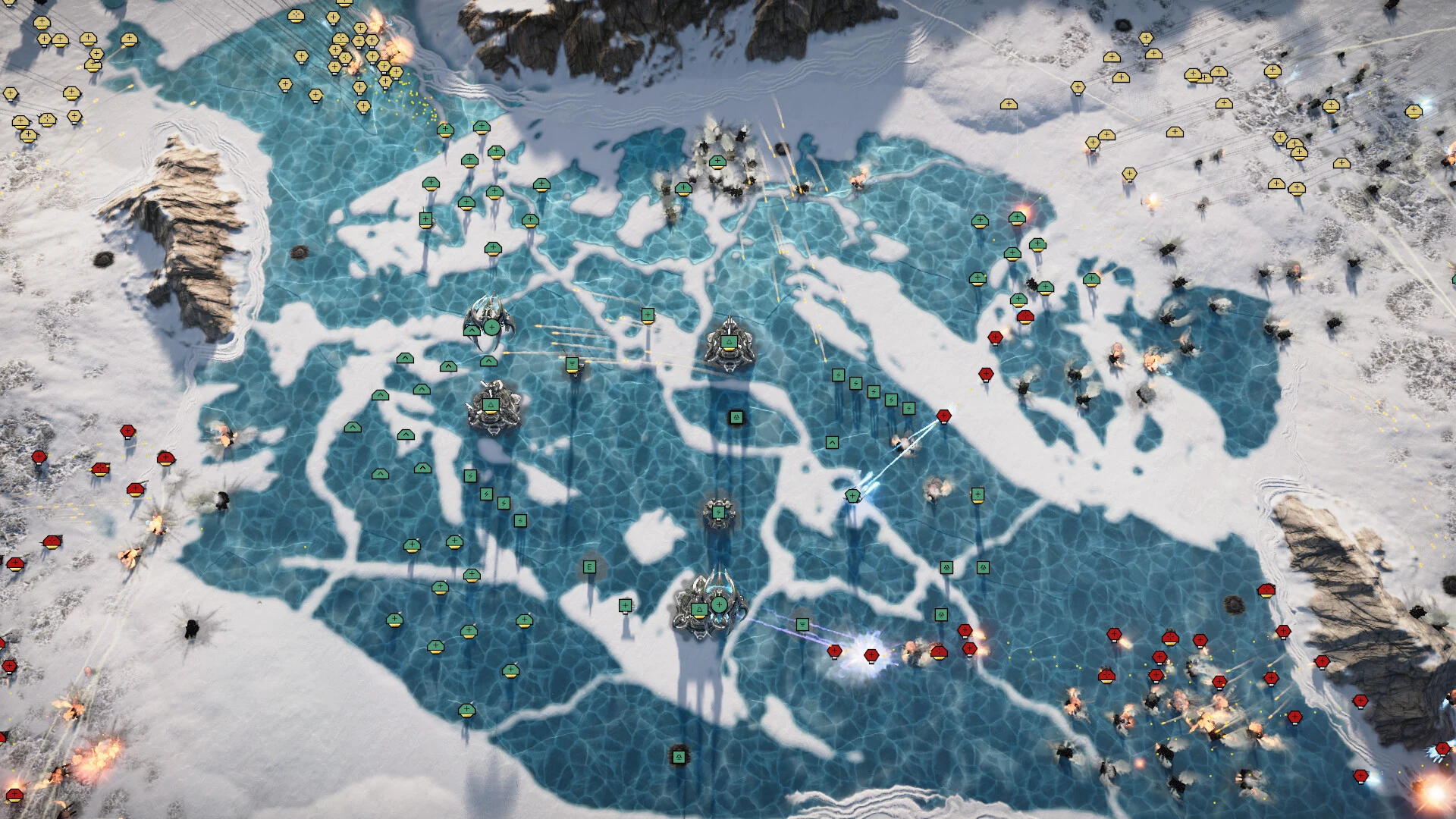
Sanctuary: Shattered Sun takes place on the surface of a Dyson sphere—a gigantic structure surrounding a star. Huge mechanized armies wage war here, industrial complexes are at work, and land, air, and naval forces all take part in the fight for territory. The developers emphasize strategic decisions and large-scale management, rather than just quickly controlling individual units. Steam Store
The economy is based on resources coming in and being spent continuously. With this approach, having a stockpile isn’t enough; production also needs to be sustainable. Is the income sufficient to build troops and expand the base at the same time? This is an appealing foundation for a war of attrition, where the army’s position is closely tied to how well the industry behind it is working. Steam Store
But the biggest draw is how the battlefield changes. The developers promise weather control, bridges that can be destroyed and repaired, and, in the later stages, the ability to crack the sphere’s surface itself. Freezing oceans can open routes for ground armies while putting the fleet in a difficult position. The geography here is meant to be more than a fixed condition—it’s another instrument of war. Sanctuary
Imagine a defense built around the only convenient passage. In an ordinary strategy game, you can fortify such a chokepoint almost indefinitely. In Sanctuary, it’ll be interesting to see situations where the enemy changes the rules: carving a path through what used to be a body of water, or threatening to destroy the map section itself. Then you have to choose between reinforcing your position further and preparing a backup plan.
For all its scale, the war has a vulnerable center: destroying the enemy commander wins the game, while losing your own ends it. Especially expensive war machines—Titans—are also announced. These elements could create an interesting tension between committing everything to a decisive attack and protecting a key figure. Steam Store
Sanctuary looks interesting to players who like thinking in terms of fronts and industrial capacity. But what makes it worth waiting for above all is the prospect of battles where even a well-studied map can spring a new tactical surprise.
5. Falling Frontier — Find the Enemy First, Then Decide Whether to Open Fire
Developer: Stutter Fox Studios.
Expected release: exact date not announced.
Mode: single-player. Steam Store
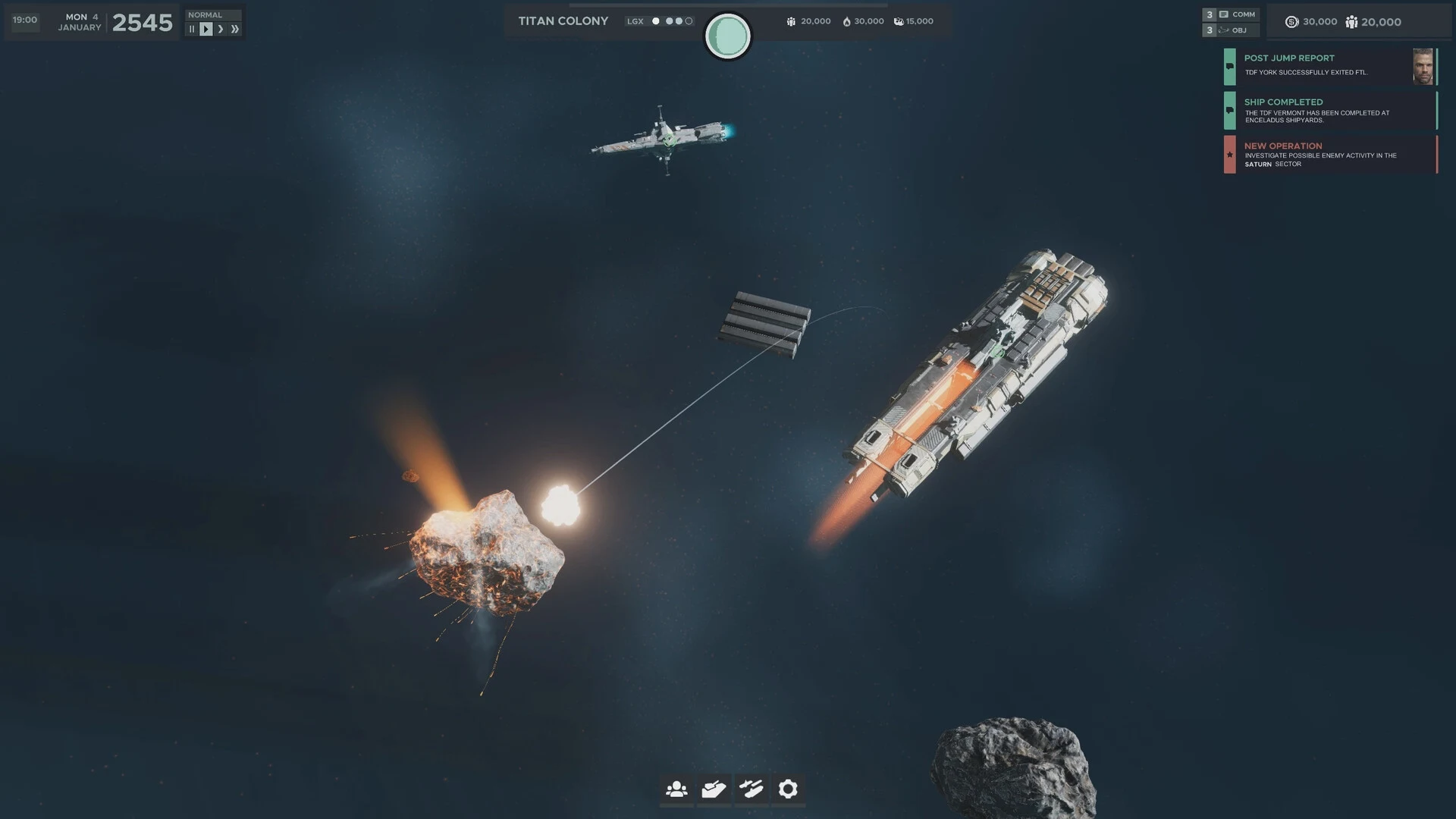
Falling Frontier offers a space war where a powerful fleet doesn’t guarantee victory. Players begin by exploring a star system, building shipyards, warehouses, processing facilities, and reconnaissance infrastructure. Their opponents do the same, so the struggle is not only over warships, but also over the system that keeps them running. Steam Store
Supply lines let you take on a stronger enemy using indirect methods. Instead of engaging its main forces, you can attack warehouses, disrupt processing facilities, and blockade colonies. Reconnaissance also comes at a price: passive observation provides limited information, while active scanning can give away your position. You can use features of the space environment to conceal your ships. Steam Store
In its overview of the combat system, the developer divides an engagement into successive stages. First, both sides gather information, then exchange long-range missile strikes and move on to closer-range action. Early hits can disable important systems before the fleets close in. One example of ships working together is also shown: one helps detect a target while another fires from behind an asteroid. Steam Community
This approach is interesting because the tension builds before the familiar scene of “two armies already shooting at each other.” An unidentified contact can matter more than a spectacular explosion: judging it correctly determines whether to keep moving, change formation, or avoid the fight altogether. We hope a well-prepared ambush feels like a genuine commander’s victory, not just a damage bonus.
Ship customization and crews should add further depth. You can choose weapons and auxiliary modules, while officers have individual traits and abilities. That means the fleet is intended to be assembled on more than just the principle of “build the biggest hulls available.” Steam Store
Falling Frontier is worth looking forward to if you enjoy thoughtful space strategy. Its main appeal is the chance to win through information, preparation, and disrupting the enemy’s plans—not solely through numerical superiority.
6. Ashes of the Singularity II — Massive Armies That Need to Be Deployed Well
Developer: Oxide Games.
Expected release: November 2026.
Modes: single-player campaign, AI battles, online co-op, and PvP. Steam Store
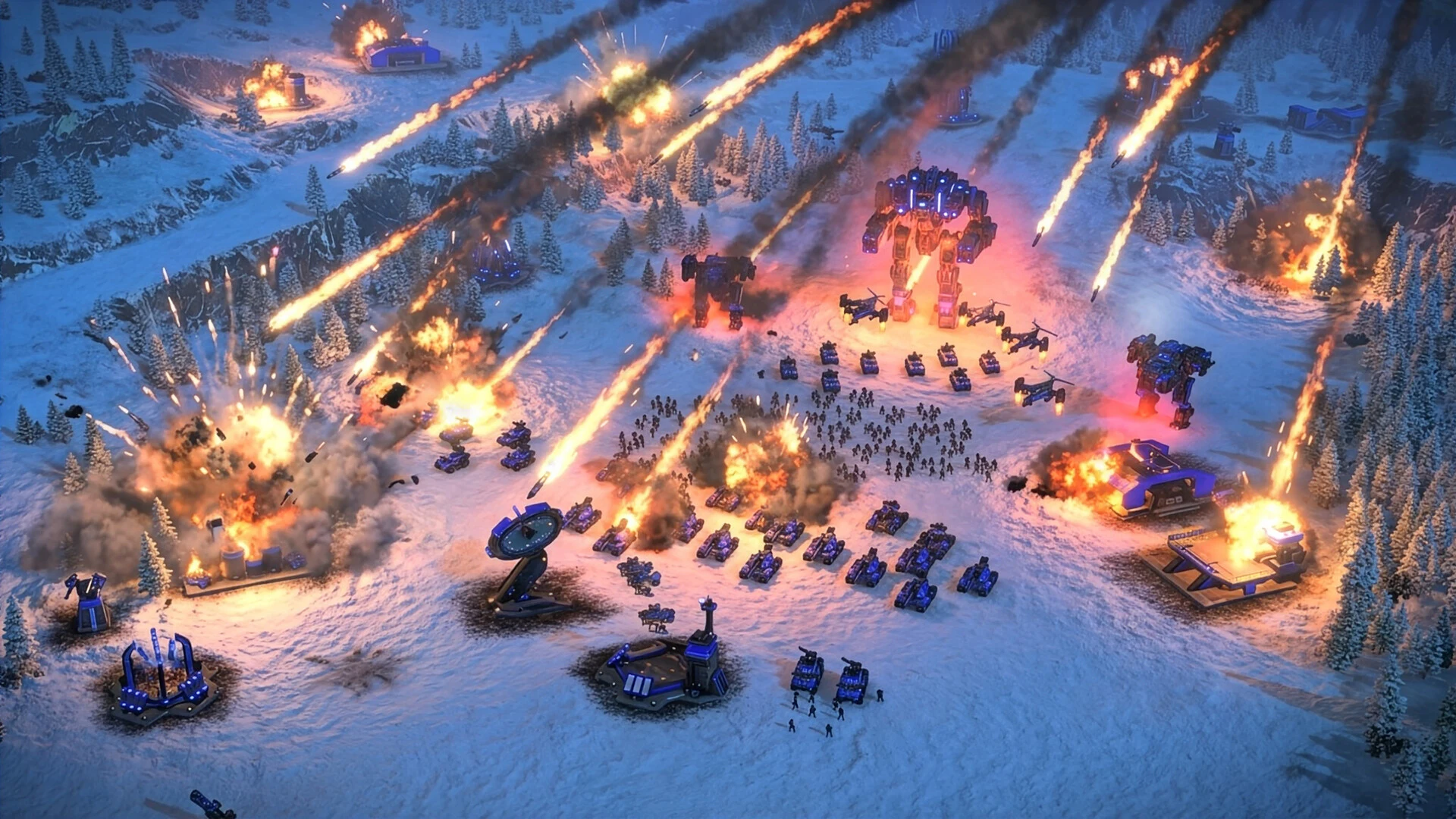
Ashes of the Singularity II is built around large-scale battles with thousands of combat units. You’ll command the United Earth Forces, the Post-Human Coalition, or the artificial intelligence known as the Substrate. The developers emphasize that success should depend primarily on planning, using the terrain, and redeploying forces at the right time—not on how quickly you can perform small actions. Steam Store
A strategic camera scale is designed for handling large armies: you can switch from a close look at one part of the battle to a broad overview. This is an important part of the concept. When several engagements are unfolding at once, players need to know not only where the loudest fighting is happening, but also where the next problem will arise. Steam Store
Published development diaries with gameplay demonstrations give a more concrete sense of what to expect. They show the use of narrow passages, flanking maneuvers, artillery zones, and long-range turrets placed on high ground. There are also examples of retreating to buy the time an ally needs to arrive. So the promised scale is backed up by clear tactical challenges, rather than just the number of objects on screen. Steam Community
The most appealing aspect for players is the chance to direct an entire operation. For example, instead of trying to win every local battle, you can hold the enemy on one front while your main force outflanks them on another. A large map matters only when distance, direction, and timing really affect the outcome.
The story campaign focuses on the human side of the conflict. All three factions are planned for skirmishes and multiplayer modes, including co-op. That gives you the choice between exploring the world through its story and playing more open matches where you can experiment with different armies. Steam Store
Ashes of the Singularity II looks like an interesting option for players who prefer commanding large formations. Especially if a reserve prepared at the right moment is more satisfying than perfectly executing one tank’s maneuver.
7. D.O.R.F. — An Industrial RTS Where Factory Placement Matters
Developer: DORFteam.
Expected release: date not announced.
Modes: single-player, online and LAN battles. Steam Store
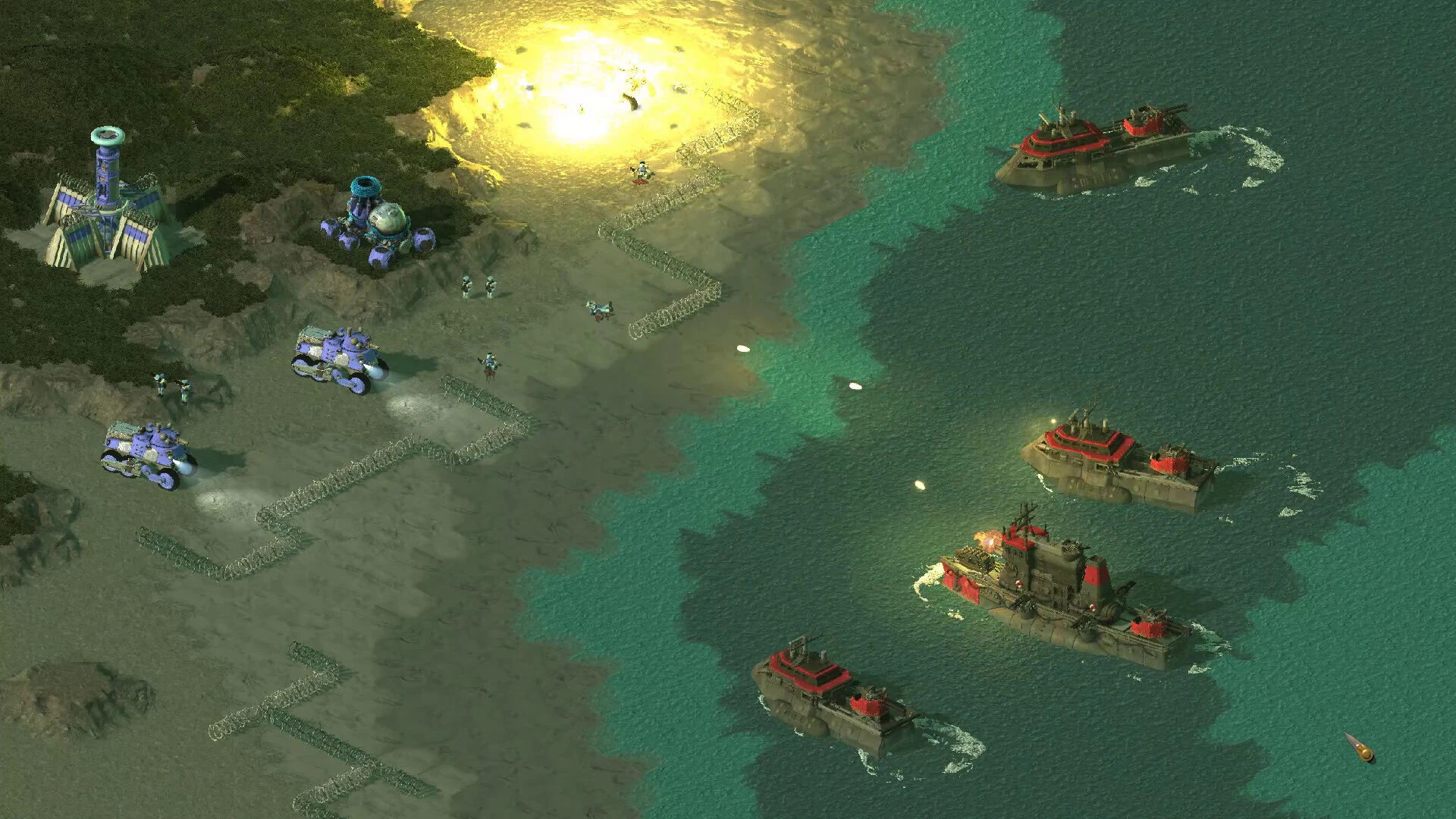
D.O.R.F. stands out for its detailed isometric graphics. You’ll want to look at more than just the war machines: the bases themselves are worth examining, with their heavy industrial buildings, processing facilities, fortifications, and transport. The developers openly cite classic RTS games of the nineties as an inspiration, while adding their own production and supply systems to the familiar foundation. D.O.R.F.
It’s not enough to simply gather resources: they need to be transported from processing facilities to factories. The economy uses oil, ore, and scrap left behind after battles. That gives the layout of your base a practical purpose. Building placement affects not only how easy it is to defend, but also how efficiently the infrastructure as a whole turns raw materials into new combat units. D.O.R.F.
Warfare isn’t limited to tank columns. The game features ground, air, and naval forces, trench networks, transport routes, and infantry assaults on enemy structures. The ability to capture enemy production buildings and gain access to their technology is especially intriguing. In that case, it may be better to take at least part of an enemy base for yourself than to destroy it. Steam Store
Three distinct factions are prepared for this world: the harsh industrial Empire, the Warbands, which use machines assembled from mismatched parts, and the technologically advanced Collective. Their arsenals include multi-turreted landships, cloaking tanks, and other unusual machines. This variety pairs well with the idea of capturing enemy technology: it’s tempting to put together unconventional combinations of forces. D.O.R.F.
The most appealing prospect here is war between functioning industrial systems, not just individual armies. We hope a good base will be recognizable not by the number of buildings, but by how quickly it supplies the front and how difficult it is to disrupt its operations. And after a hard-fought battle, it’ll be interesting not only to count losses, but also to decide what to do with the remaining field of wreckage.
D.O.R.F. is worth looking forward to if you enjoy classic base-building and want to keep the familiar readability of old RTS games while having more reasons to think about where to place every important structure.
8. Dust Front RTS — A War Where Victory Should Set Up the Next Campaign
Developer: rtsDimon.
Expected release: date not announced.
Mode: single-player. Steam Store
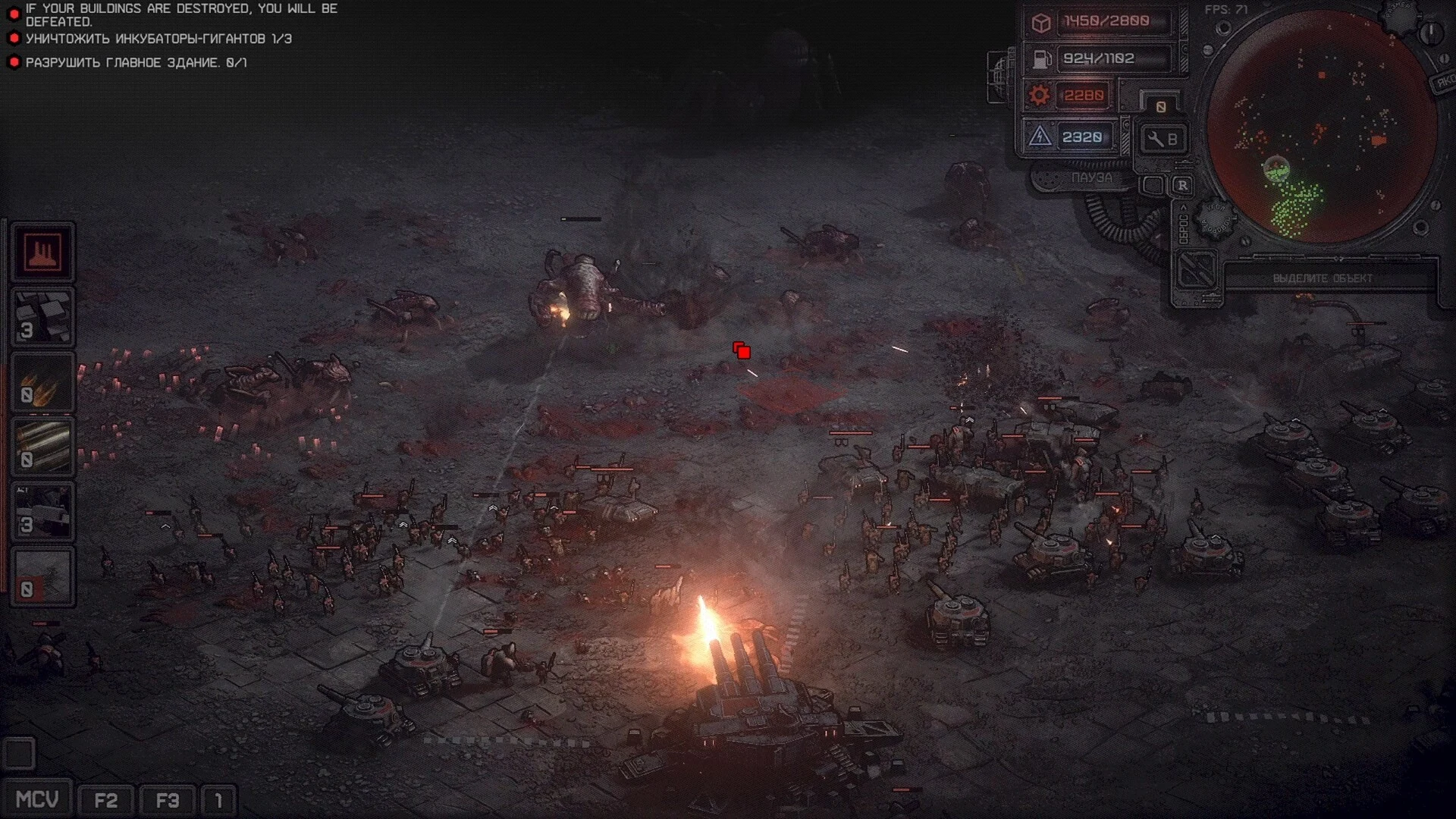
Dust Front RTS presents a grim industrial world that has survived many wars. Its foundations are base-building, resource gathering, and battles involving infantry, tanks, and aircraft. But individual battles are tied to a global map and a nonlinear campaign: captured territories should affect the economy, and the infrastructure you build should matter beyond a single mission. Steam Store
Carrying troops over between battles looks particularly interesting. Units earn ranks, join strike groups, or remain in defensive garrisons. The global map includes simultaneous planning and execution of key actions on the next turn. This adds another question to the usual “win this battle”: which forces will you need tomorrow, and exactly where should they be? Steam Store
In combat, the developer gives considerable attention to heavy vehicles and artillery. Spotters are used for long-range bombardment, and some vehicles have different levels of protection on their front, sides, and rear. Reverse movement lets them retreat without turning their more vulnerable side toward the enemy. Connections between buildings that provide production bonuses are also shown. Steam Community
These details make the concept more interesting than a simple fantasy about gigantic tank armies. Ideally, we’ll get battles where industrial superiority helps replace losses but doesn’t eliminate the need to position vehicles well. A veteran unit that survives should be valuable not only in the current firefight, but also as the foundation for the next offensive.
A demo is available to try the RTS elements: building, producing troops, and assaulting fortified territory. The developer makes clear that it’s a limited slice of the project, not early access to the full game. So it’s too early to judge the global campaign based on it. Steam Store
Dust Front is worth keeping on the list if you enjoy single-player military campaigns and a heavy industrial aesthetic. Its most intriguing promise is to connect local tactics with the long-term cost of losses, territory, and production decisions.
9. Fragile Existence — A Space Strategy Where Retreat Can Be the Best Option
Developer: Fragile Continuum.
Expected release: 2027.
Mode: single-player. Steam Store
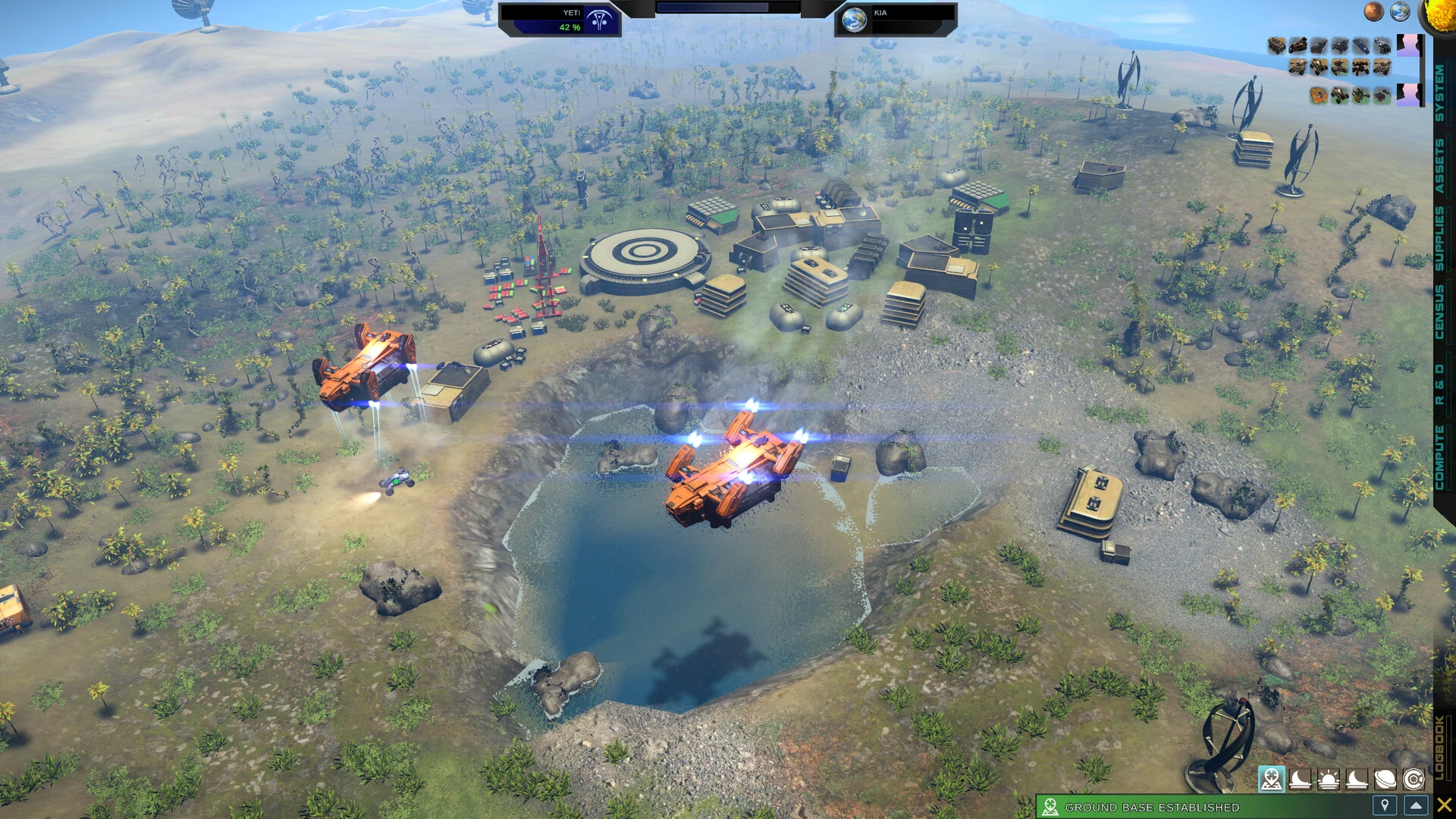
Fragile Existence begins not with the promising foundations of a new empire, but with a catastrophe. Earth and nearby human territories have been attacked by an unknown enemy, and the survivors are aboard a small fleet. Players must plot a course between systems, search for essential resources, and keep people alive while the threat continues its pursuit. Steam Store
The game isn’t limited to managing ships, either. You can deploy units to planets, establish settlements, develop production, and supply your fleet from the surface. Space and ground gameplay are linked through transport operations and combat. An active pause lets you stop and assess several issues at once. Fragile Continuum
A key part of this system is the specific supplies aboard specific ships. A development diary from September 2026 describes food and water, fuel consumption, ammunition, transport craft placement, and treating the wounded. Support ships occupy external hardpoints that can also be used for weapons. So convenient supply arrangements can compete with firepower as early as the ship outfitting stage. Steam Community
This gives decisions a much more personal cost than an abstract reduction in the overall resource counter. It’s not enough to know that the fleet has the necessary supplies somewhere: what matters is whether the right ship can get them in time. In this concept, losing a transport isn’t just a military defeat—it can disrupt the operations of an entire group.
The developer also links ship damage to crew injuries, lost items, and individual systems failing. Some mechanics are still being refined, and the existing ship models are planned to be replaced. It’s worth remembering this when looking at the screenshots: the project’s visuals aren’t final yet. Steam Community
Fragile Existence is especially intriguing as a strategy game about keeping a society alive on the move. The goal here isn’t so much to paint the map in your color as to get people through yet another crisis. A well-organized evacuation could be more memorable than destroying an enemy flagship.
10. Imperium Eternal — Guide a Civilization Through Twenty Eras
Developer: EPO Games.
Expected release: date not announced.
Modes: single-player, online co-op, and PvP. Steam Store
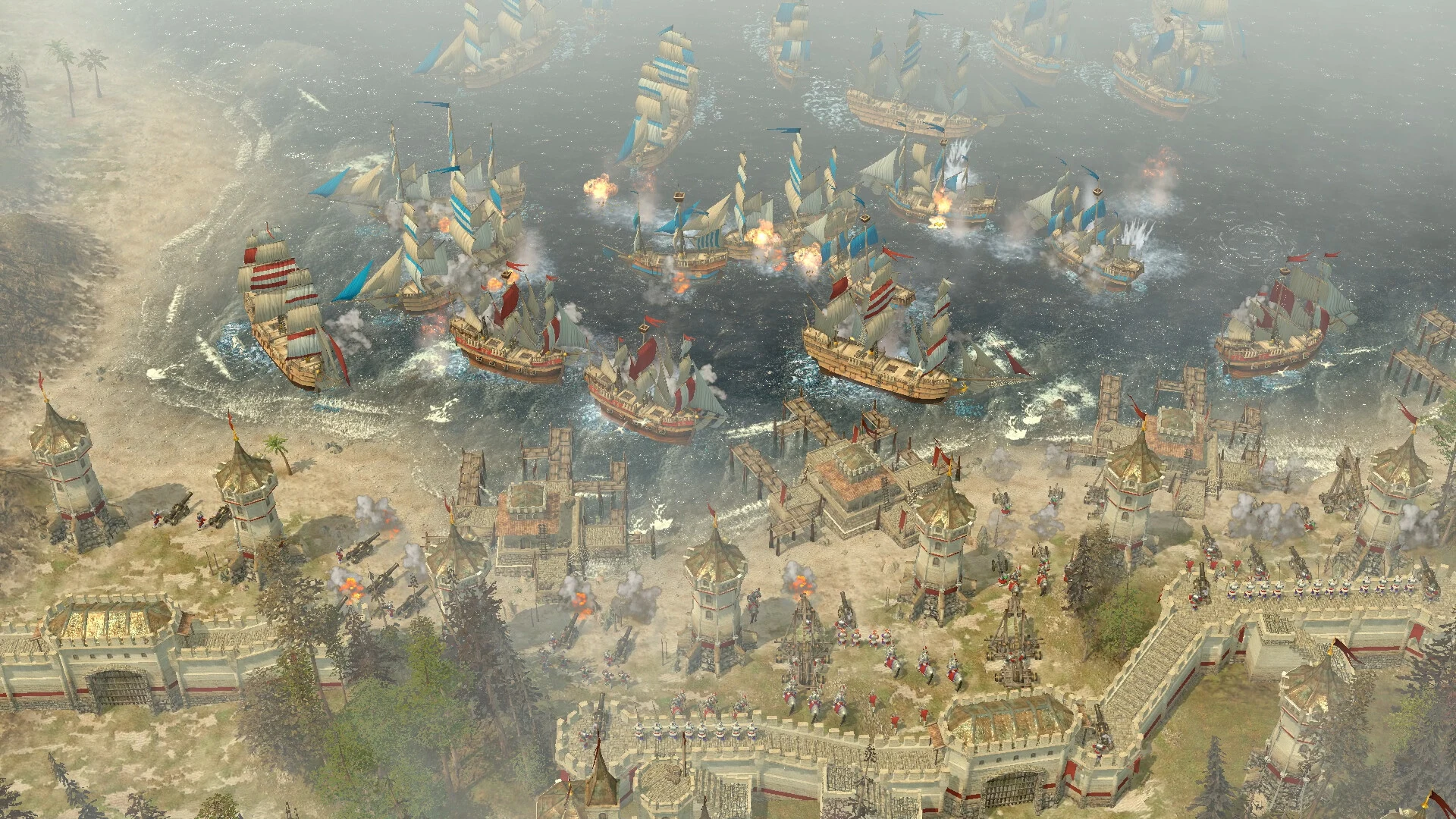
Imperium Eternal takes on a sweeping historical fantasy: guiding a civilization through twenty eras, from early tools to future technology. The foundations remain base-building, resource management, and real-time warfare. As you progress, the available weapons and ways of fighting on land, at sea, and in the air are supposed to change. Steam Store
The main pleasure of this concept is watching your own decisions gradually change the character of your empire. At first, it’s enough to provide a settlement with basic resources and defend the nearby approaches. Later, you’ll want to manage a complex military economy where earlier decisions have to be reconsidered. But the concept only becomes truly interesting if each new era opens up a different way to play, rather than simply increasing the stats of familiar units.
Development diaries offer more specific details about the economy. The new gathering system is designed for large groups of workers: they automatically take available spots near resource sources, and if there are none free, they can look for other suitable targets nearby. Hunting and assigning workers among targets are also described separately. The goal is to make a large-scale economy manageable without constantly fixing every minor bottleneck. Steam Community
Combat also includes promises beyond the usual exchange of gunfire. Wall assaults and ship boarding are announced, along with mod support that lets players work with maps and combat units. Combined with the large number of eras, this leaves room for all kinds of scenarios—although the depth and usability of these tools remain to be seen. Steam Store
Perhaps this is where it’s especially important not to be swept up by the scale of the pitch alone. Twenty eras sound impressive, but what matters more in a good strategy game is whether the transitions between them are meaningful. When should you speed up research? When is it better to invest in your existing army? How do you survive the moment when the enemy has already gained a technological advantage?
Imperium Eternal is worth looking forward to for the very idea of a long history for your own civilization. The best outcome would be a game where it’s interesting not just to reach the future, but to remember the decisions that brought you there.
Which games should you add to your wishlist?
I’d start not with the biggest name, but with the kinds of decisions you want to make.
For strategy nights with friends, the first games to consider are Dawn of War IV and Ashes of the Singularity II: both have announced co-op features. For an involved solo experience, Falling Frontier and Fragile Existencelook more appealing, with their emphasis on supplies and preparation. And Beyond These Stars offers a switch from warfare to building and developing a living world. Deep Silver
That said, a wishlist doesn’t have to become a list of preorders. For me, the main thing to look for in a strategy game is not the number of factions, eras, or combat units, but the variety of situations that make you change your plans. Those are the moments that make us want to return to the genre: when victory comes not from memorizing a sequence of actions, but from figuring out the solution yourself.
Frequently asked questions
Which games in this roundup have announced co-op?
Co-op features have been announced for Warhammer 40,000: Dawn of War IV, Sanctuary: Shattered Sun, Ashes of the Singularity II, and Imperium Eternal. Dawn of War IV’s campaigns can be played co-op.
Which games in this roundup focus on space campaigns?
Falling Frontier is a single-player strategy game about reconnaissance, supply, and space battles. Fragile Existence combines fleet management with planetary deployments, settlements, and the struggle to keep people alive.
Is there a strategy game in this roundup that isn’t about war?
Beyond These Stars is a city-building game in which a civilization develops on the back of the space whale Kewa. You’ll plan settlements, manage production, restore the ecosystem, and explore space.
Prepared with AI assistance and reviewed by our editors.
5 / 5Ratings: 1
Contents
- 1. Warhammer 40,000: Dawn of War IV — Bases, Huge Armies, and a Fight for Every Point
- 2. Total War: WARHAMMER 40,000 — From a Single Firefight to the Fate of Entire Worlds
- 3. Beyond These Stars — A City Traveling with a Living World
- 4. Sanctuary: Shattered Sun — When the Map Itself Won’t Let You Build a Reliable Defense
- 5. Falling Frontier — Find the Enemy First, Then Decide Whether to Open Fire
- 6. Ashes of the Singularity II — Massive Armies That Need to Be Deployed Well
- 7. D.O.R.F. — An Industrial RTS Where Factory Placement Matters
- 8. Dust Front RTS — A War Where Victory Should Set Up the Next Campaign
- 9. Fragile Existence — A Space Strategy Where Retreat Can Be the Best Option
- 10. Imperium Eternal — Guide a Civilization Through Twenty Eras
- Which games should you add to your wishlist?
- Frequently asked questions
Comments
Log in or create an account to write a comment.